

30 Ways to Market Your Book Once it’s Published
Lessons from a publicist-turned-author/editor

You poured your whole heart into your book for months or years, and you built up all the hype you could before its publication. Now the big launch day has come and gone, and you’re left wondering, “Is that it? Did I miss my chance to make a bigger splash?”
Fear not! You can always find or make more opportunities to be newsworthy.
There are many accessible ways to market your book once it’s published:
- Create custom initiatives for your target audience:
- Leverage professional tools for book promotion:
- Bring your audience to you:
Create custom initiatives for your target audience
Every successful book is written with a specific audience in mind, even if it’s ultimately enjoyed by a wider demographic. To make sure your marketing efforts come through with a clear, strong voice, avoid casting too wide a net. Always speak to your specific audience. You might define it as something like:
- Fans of Legends and Lattes who prefer some extra spice in their cozy romantasy
- Children aged 4–7 who are learning about the life cycles of plants
- Intermediate to expert sewists who crave more resources for historical menswear reconstructions
- Young working moms who are trying to regain a lost sense of identity
Got yours clear in your mind? Then it’s time to go out and find them. It doesn’t matter that you’re no longer creating pre-publication hype. That was more exciting for your loved ones than it will be for strangers. Now you’re telling people, “I made this for people just like you, and you can get it immediately.”
Residents of a Specific Region
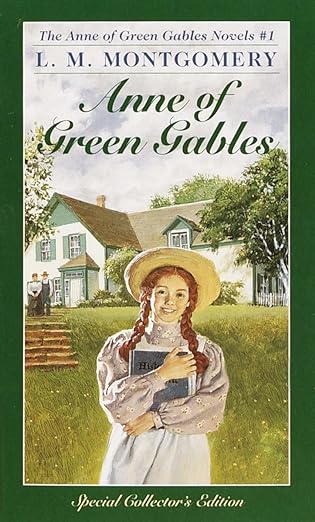
If your book has regional interest, it will appeal to people who want to see their familiar landmarks on the page. You can:
- Send customized press releases to local media. If you want to create urgency and timeliness, tie it to a regionally significant event or anniversary.
- Send a flyer or one-sheet to local libraries and book groups. You might also ask about doing readings for them.
- Post flyers on physical community bulletin boards.
- Share on local social media groups (check the policies to see if they permit self-promotion).
- Talk to gift shops or other relevant small businesses about stocking your book (if you’re traditionally published, check your publisher’s policies on this first).
People with a Niche Interest
If your book features a specific hobby, craft, period of history, sport, or other subject that people are passionate about, enthusiasts will want to know about it! You can:

- Find groups for people who share this interest and send them a one-sheet along with a suggestion that they might feature you in their newsletter, at a meeting or conference, or wherever their web presence is hosted.
- Interact with popular creators in this space on social media and ask if they will accept a review copy of your book.
- Offer a class or lecture on the subject and set your prices so that admission includes a signed book for each participant.
- Look for opportunities to write pieces for niche blogs or magazines. Even if the piece isn’t directly related to your book, you’ll get a byline where you can mention it.
- Make social media content that highlights your knowledge of the subject. You’ll build an audience that trusts in your expertise, which will make any “buy my book” posts much more effective.
Members of a Given Demographic
If your audience can be described by their age, gender, marital status, career, etc., think like a traditional advertiser and seek out the places where that demographic is already spending their time and money. You can:
- Send a press release pitching yourself as a guest to the radio shows and podcasts they listen to.
- Send review copies (or ask if your publisher will send them) to handpicked magazines and newspapers they read. Choose them based on the relevance of your book to their content, rather than on the existence of a regular book-review column. Formal book reviewers do tend to prefer pre-published books, but the timing of your publication will matter less to a columnist who decides to feature you or your book because of a connection to the subject they cover.
- Brainstorm reasons why you’d make a compelling interview or profile subject for blogs or newsletters they subscribe to, and send pitch emails. If you have a publicist, have the emails go out from their account instead of yours. The reasons could be tied to an anniversary or event, or you could position yourself as an expert or human-interest subject of some kind.
- Pursue placement of your book in lifestyle stores where they shop.
- Monitor the websites of literary festivals and apply when they put out a call for presenters. Note that this opportunity is mostly relevant during the first one or two years of your book’s published life, so check each festival’s requirements.
Kids
Kidlit authors, you’re in a special situation, because your books don’t get marketed directly to your readership. Instead, you need to reach the caregivers, relatives, teachers, and librarians who have the buying power. Most of those people, thankfully, will be interested long after the book’s launch date. You can:
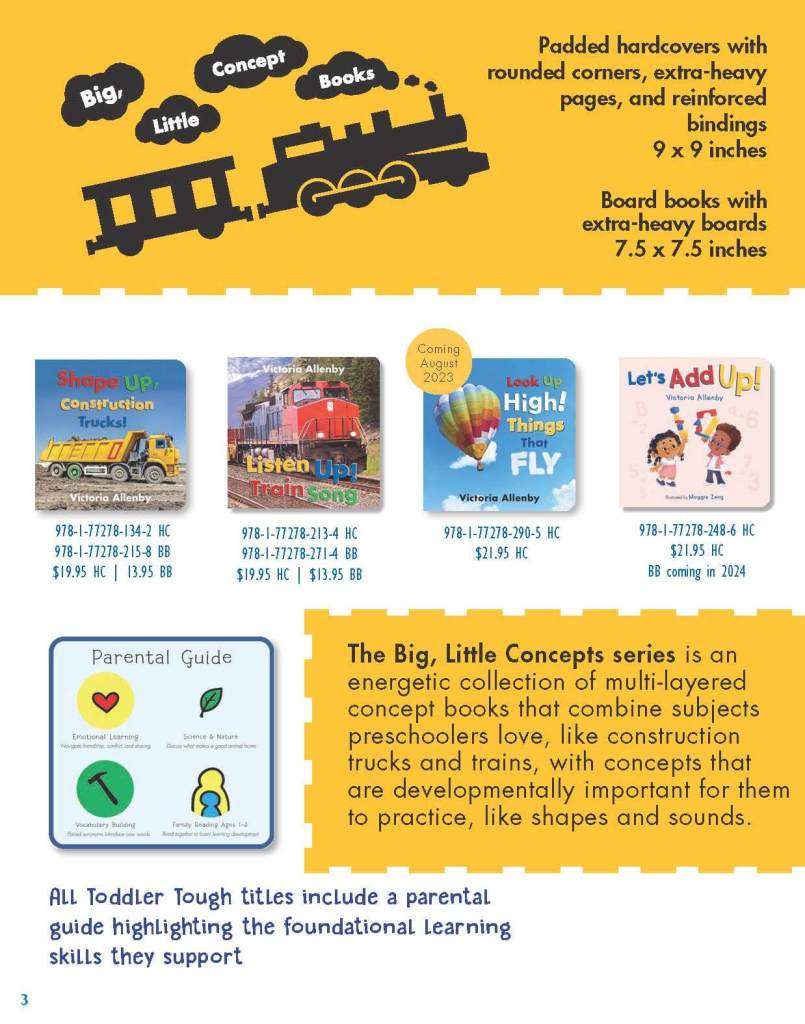
- Create lesson plans or worksheets for teachers to use with your book in the classroom (or find out if your publisher already does this). Make sure those materials get listed on sites where teachers go looking for them, like 49th Teachers (Canada only) and teachingbooks.net.
- Develop 45–60-minute presentations and promote your services doing author visits in classrooms and libraries.
- Create a flyer promoting your book as a gift and distribute it ahead of relevant holidays.
- Book a booth at fairs to hand-sell your book(s). Bring small giveaway items like stickers or bookmarks to spark interactions with young visitors.
- Find out if your local teacher’s union or library system publishes a magazine. If they do, send a review copy with a press release that identifies you as a local author and also points out any connections your book has to curriculum topics. You’ll probably find the magazine is not published often enough to be fussy about dates.
Friends and Family
These are rarely your target audience, so spare yourself the guilt you’ll feel for spamming their social feeds with endless variations of “Buy my book.” Instead, since they probably do want to be supportive and spread the word, you can do any of the following once in a while:
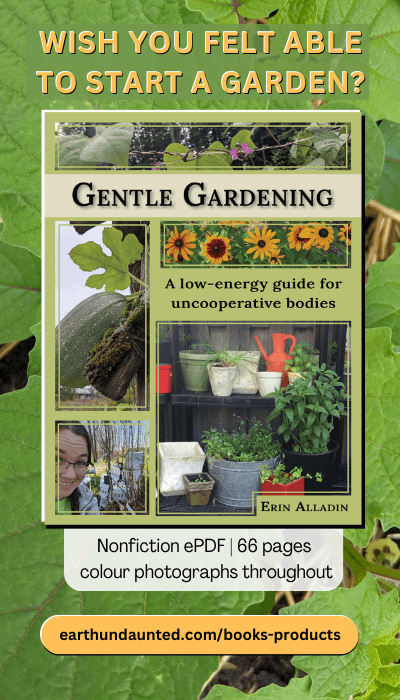
- Design a few simple jpeg or png-based posts for them to share that convey what your book is, who it’s for, and where/when people can buy it. Put all the information right in the graphic so it doesn’t get lost when people share the post without your original caption. Canva is a great free tool for making these. You can also embed them in an email for another way to share.
- Share brief stories and milestones about your publishing experience; you and your personal journey are what interest them the most.
- Announce major successes that they can celebrate with you.
- Invite them to book events.
- Have a flyer or one-sheet ready for any relative who asks if they can email information about your book to someone they know.
Leverage professional tools for book promotion
From a publisher’s perspective, the best promotion opportunities do happen around a book’s launch date. That’s because all the infrastructure within the publishing industry is built around that model, and it makes sense for companies to put most of their resources into the system that gets distributors, wholesalers, libraries, and retailers primed to expect (and encourage) lots of demand for a book.
But you, as an author, can be newsworthy any time! You can drive demand by marketing directly to the public through a range of media outlets and platforms. You can give interviews, act as a subject-matter expert, or have inspiring stories written about you. I’ve listed some examples below to help you get some ideas flowing. Once you do, you can probably come up with plenty of your own!
- I have a recent book, and I’m a local author.
- I have a book that features that building that’s about to be torn down.
- I’m going to be offering a writing workshop for the public (I’m an author).
- I’m going to be running workshops on spinning, and I have a book about spinning too.
- That major world event that just happened? I wrote about the issues that led to it in my book.
- My book is having a significant anniversary.
- My book is about something this city is celebrating or commemorating this year.
- I’ve just been nominated for/won an award.
- You wrote a news story about bird conservation, so I think you’d be interested in my book on that subject.
- International Talk Like a Pirate Day is coming up, and I have a pirate book (local radio LOVES this stuff).
But how do you convince people to listen? By using the same professional tools I used as a publicist.
Press Releases
Press releases are your most fundamental tool for getting traditional media attention when you have something to announce. Write an extremely brief email that identifies your hook and notes the attached press release for full information. Your single-page document should include:
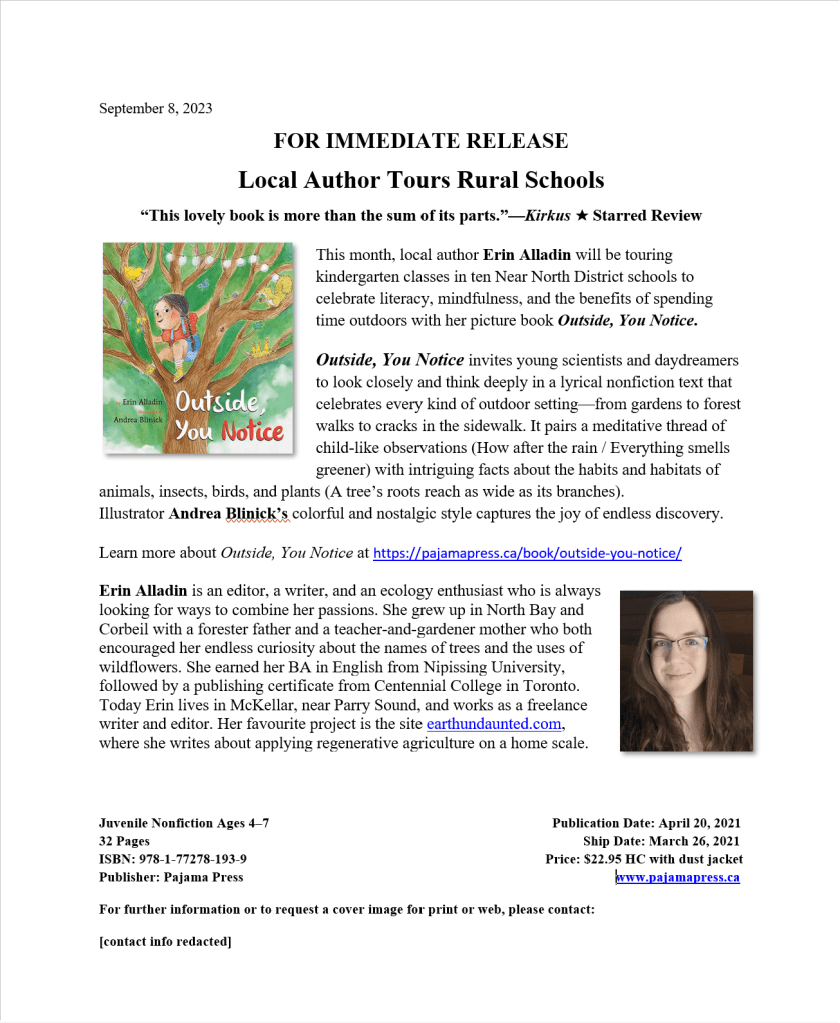
- the date, and clarification of whether the information is public as of that date or a later one (e.g., “For Immediate Release”)
- your book’s cover image
- an opening hook that tells the reader why they care (e.g., you’re a local author, your book connects to an upcoming day of significance, etc.)
- a brief summary of the book that they can copy verbatim
- a brief bio of you that they can copy verbatim (customize the details to the occasion; e.g., if you’re pitching yourself as a local author, emphasize your connections to the community.)
- a note about your availability for interviews
- contact details for you and/or your publicist
For a more in-depth breakdown, check out this post.
A Media Kit
Journalists have to pull stories together at breakneck speed, so the easier you make their job, the better chance you have of being featured. A media kit is a folder containing essential resources about you for journalists to use. For a basic media kit, assemble:
- a summary of the book (Provide this as a Word or Google Docs file so it’s easy to copy and paste.)
- a brief bio of you (Provide this as a Word or Google Docs file so it’s easy to copy and paste.)
- a cover image as a .jpg or .png file
- your headshot as a .jpg or .png file
- a list of accolades the book has received
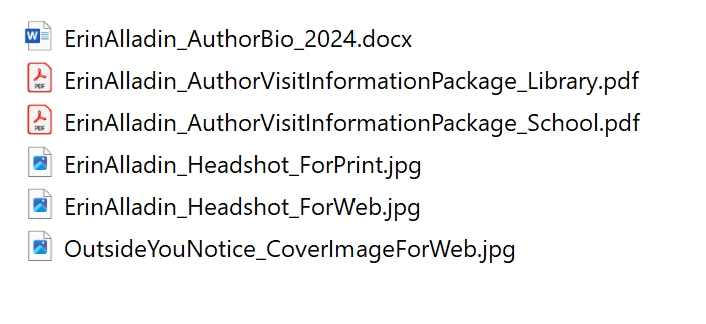
To make sharing your media kit easy, you can:
- Save it as a zip folder to attach to emails.
- Host it on a service like Dropbox or Google Drive and provide an access link (Make sure not to move the files later).
- Create a download link for it on your website.
Note that journalists probably won’t click a link to download a file in a cold email. However, once you’ve established contact, you can offer them your kit.
One-Sheets
A one-sheet is something you’ll find handy to have in your bag at networking events or to attach to pitch emails where a press release isn’t suitable. As the name suggests, this is a single sheet of paper (or a virtual version of one), kind of like a book’s resume. Its purpose is to convey all the most important information about your book in a clear, easy-to-read way, including:
- a brief, punchy tag line/hook
- the title
- the cover image
- your name and any other creator names, if relevant
- the genre (including age and grade ranges for children’s literature)
- the list price
- the ISBN(s) and format(s)
- the publication date
- the page count
- the publisher (or, if you’re self-published, how it’s being distributed)
- the trim size
- BISAC codes
- a short description of the book
- a short author bio
- brief review quotes or endorsements, if available
- contact information
- if you’re making a one-sheet for a particular occasion, any extra details that convey why your book is relevant
If you’re traditionally published, most of this information will likely be included in your publisher’s listing for the book in their catalogue or on their website, so check with your publicity contact about it. They might even have an existing one-sheet you can use.
You can also create a one-sheet for yourself as an author that includes a brief bio and details about your expertise, books, accolades, and any services you offer.
Bring your audience to you
Chances to make a personal connection with an author will never get old. That’s why many authors make a lot more of their living through events, workshops, and spin-off content than through royalties.
Book Events
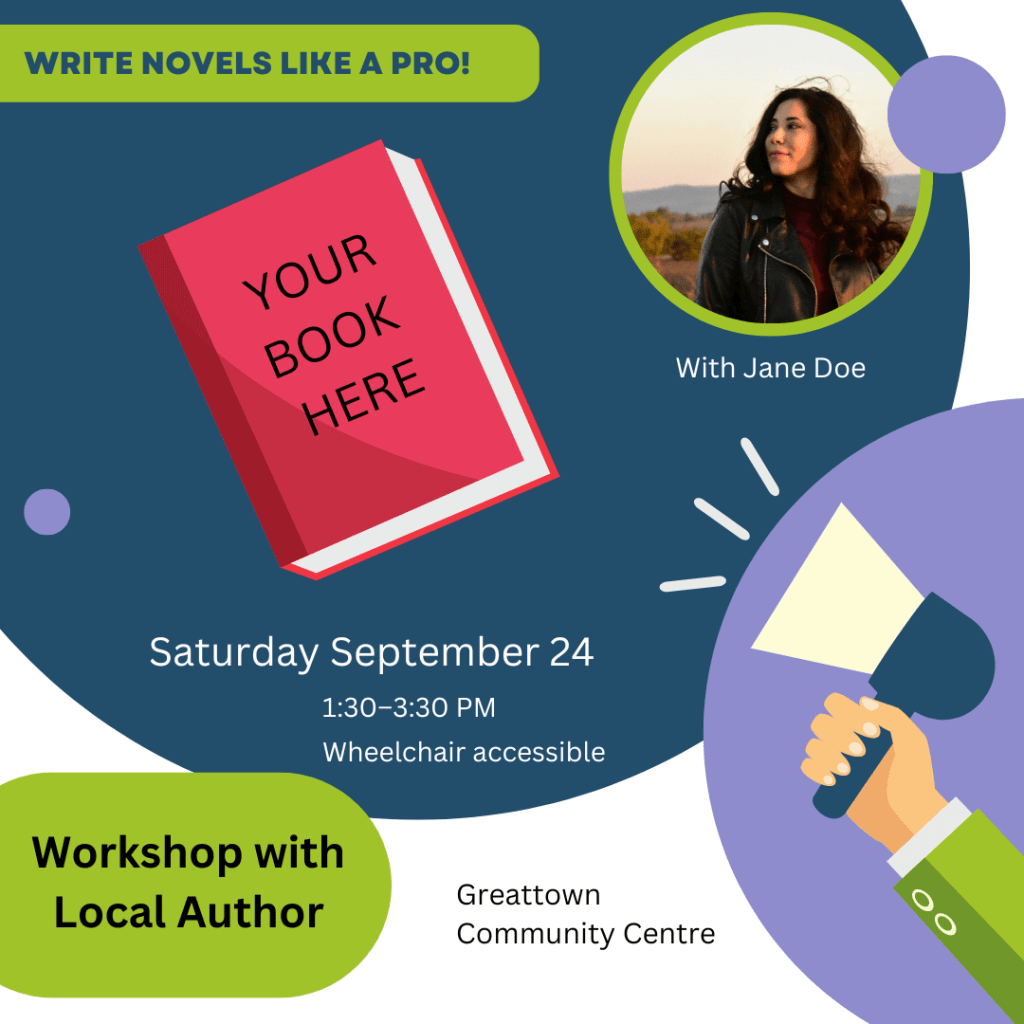
Book events don’t have to be book launches! You can work with a library, a community group, a bookstore, or a festival to organize an event at any time. Reasons for events can include:
- children’s programming for a kids’ book
- a workshop
- a ladies’ night with wine, activities, and chick lit
- an exhibit related to a historical book
- a collaboration with an artist, dancer, or other creatives
- a summer outdoor event for a book that launched in the winter
Non-launch events can actually be more reliable in terms of attendance, because the participants are attracted by tangible benefits instead of simply coming out to support you. You can also require registration if attendees are paying or if you’re providing materials.
Even if your numbers are low, treat the event as a way to create urgency/newsworthiness ahead of time and generate photos and stories to share afterward, and you’ll never feel the effort was wasted.
When planning a book event, take the opportunity to:
- Make a positive connection with your host, if you have one.
- Send press releases out to local media.
- Post about the event on social media.
- Directly email people to invite them to the event.
- If you have the budget, get some branding on the social media pages of a local bakery by working with them to create custom treats, such as cookies decorated with your book’s cover.
- Give away bookmarks or postcards that promote your book.
- Have someone take lots of photographs and video clips that you can post online afterward and use for years to come.
- Reach out to thank those involved afterward, cementing your connection with them.
A Newsletter
Newsletters aren’t a promotion option that many authors gravitate to first, but if you can maintain one, they’re an extraordinarily effective marketing tool. They give you direct access to your audience that is not filtered through anyone else’s website or subject to the whims of any social media algorithm. The trick is to commit to regularly inviting new people to join your mailing list, and to keeping up a consistent schedule. Your newsletter could feature:
- new book announcements
- news about events, workshops, and festivals you’re running or participating in
- tips on a subject related to the content of your book(s)
- stories about your life as an author
- inspiration for readers to write their own books or do their own related projects
- book recommendations from what you’ve been reading and enjoying

Marketing doesn’t have to be scary or awkward (although if it is scary for you, check out my post “How Not to Hate Marketing Your Book“. I came to publicity as a shy, young introvert, but mastering my first press release let me reach out easily to reviewers, journalists, and program managers of all kinds. With all these professional tools at your disposal, you’ll find your own confidence soaring, too. Give it a try!
Pitch Services
If you want to perfect the way you pitch yourself, I have a service for that! Leverage my years of experience writing promotional copy your audience can’t ignore.
Happy Marketing!
Erin

 Erin Alladin
Leave a reply to How Not to Hate Marketing Your Book – Erin Alladin Cancel reply